
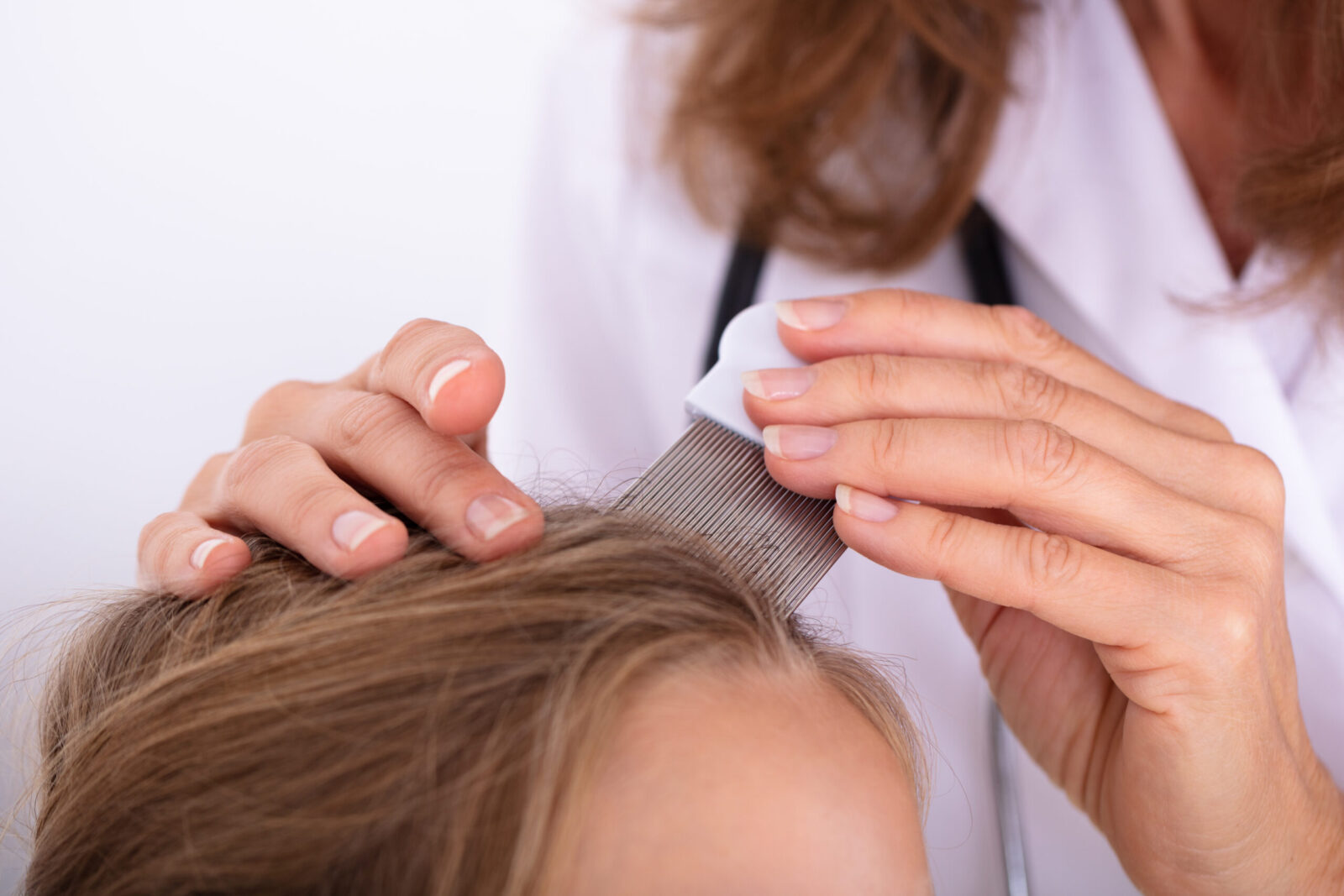
If you have children who are in daycare, kindergarten or primary school, it may feel as though head lice are always on your mind. Do your kids have them? Does one of their friends? How do you get rid of them with the minimum of fuss?
Head lice myths spread around groups of parents like hot gossip – so here’s what you need to know.
What Do Head Lice Look Like?
Head lice are wingless insects roughly 2-3.5mm long.
Can Head Lice Fly?
No. Head lice can neither fly or jump – they crawl and swing from hair to hair with their strong claws.
How Do They Spread?
They’re mainly spread through head to head contact, as they can only survive for a day without a host.
Will Head Lice Spread Throughout My House?
They don’t live or breed on animals, bedding, furniture, carpets, clothes or soft toys. However, you should take steps to help reduce the risk of spreading lice if there is an outbreak in your home, such as changing the bedding and washing soft toys and clothes.
How Long Do Head Lice Live For?
Head lice start out as eggs (also known as nits), and can take between 7-10 days to hatch. Once hatched, the young lice (nymphs) can take 6-10 days to become an adult, and can then lay eggs themselves.
If My Child Doesn't Have an Itchy Head, Does It Mean They Don't Have Head Lice?
Unfortunately, this may not be the case. Many people with head lice don’t actually develop an itch, so regular checks of your child’s scalp is recommended if there is an outbreak at school.
How Can I Avoid Getting Head Lice?
There are a number of steps you can take to help ensure you and your family don’t get lice.
- Tie back or plait long hair, especially for school
- Do not share brushes, combs, hats or pillows (though spreading headlice is uncommon via these, it is possible)
- Keep hair short during outbreaks if possible as it is easier to detect and treat in short hair
- Notify your school so that other families can be alert and vigilant in checking their children
While head lice are a common occurrence, it’s now easier than ever to get rid of them if they become unwanted guests in your child’s hair.
What's Next?
If you’re looking for more information regarding headlice, you may find the below articles useful:
Life Cycle Of A Nit (And How You Can Beat It)

